



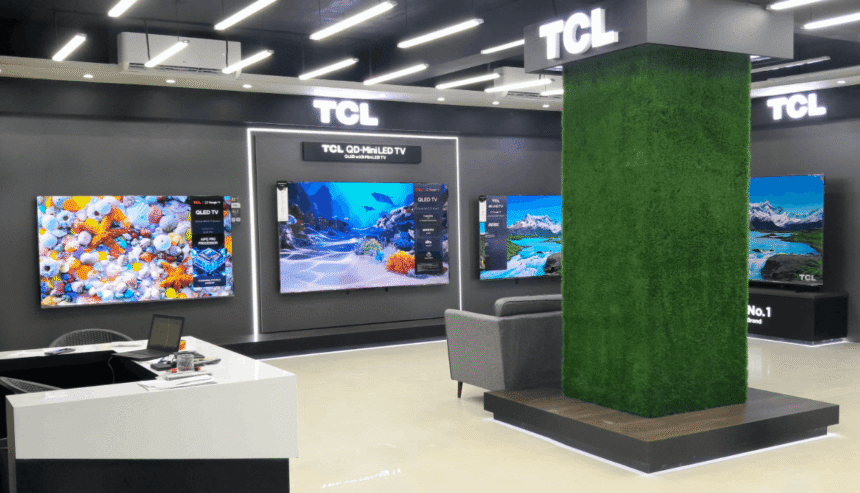
TCL got a huge blow as the court gave a verdict in favor of Samsung, which stops TCL from calling some of their models “QLED” in Germany. A court in Germany ruled that TCL has violated Germany’s unfair competition law by falsely advertising certain televisions as “QLED” models.
The ruling bans TCL from advertising those specific TV models, such as the QLED870 series, as QLED in Germany and ordered to stop its misleading promotional campaigns related to those products.
Samsung argued TCL’s QLED TVs did not deliver the color reproduction that consumers normally expect from genuine quantum-dot displays.
The court found that TCL’s TVs, such as the QLED870 series available in Germany, couldn’t deliver the characteristics of a quantum-dot LED. It is concluded that TCL’s marketing could mislead buyers into believing they were purchasing QLED technology.
What Exactly is QLED Technology?
To comprehend the significance of this, it is essential to first understand the operational mechanisms of these QLEDs. The abbreviation QLED denotes Quantum-Dot Light Emitting Diode, a display technology engineered to enhance brightness, color precision, and image quality of LED displays televsisions.

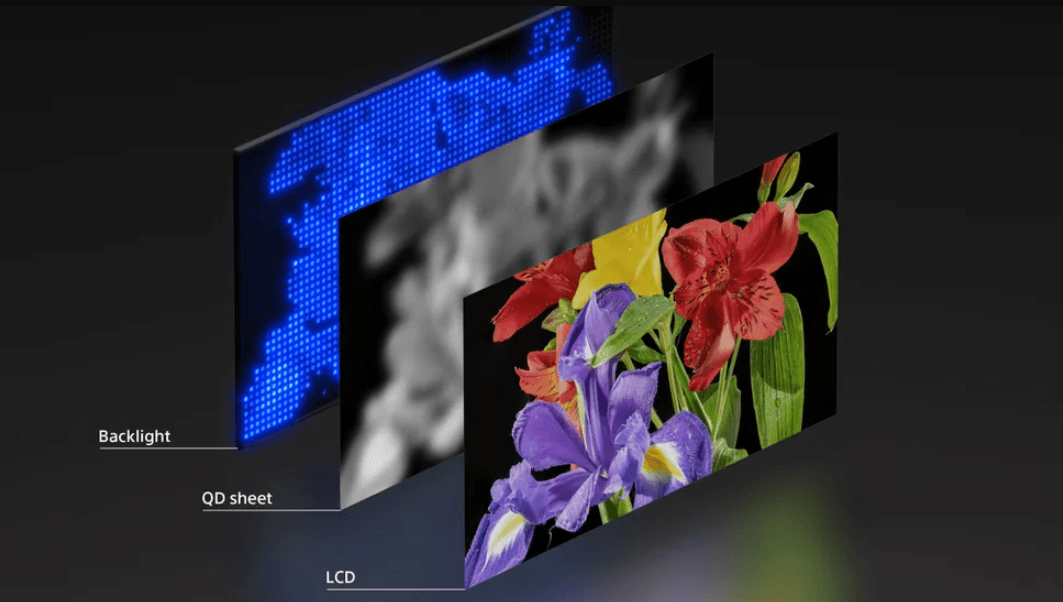
In a QLED display, a layer of a quantum dot sheet that produces tiny semiconductor particles is placed between the LED and the LCD panel. These particles emit specific colors when they are exposed to light. Each quantum dot produces very precise wavelengths of color, and the technology allows TVs to display more vivid and accurate images compared to standard LCD screens.
TCL is currently facing similar lawsuits in several U.S. states, including California and New York, over alleged false advertising of QLED TVs. Hisense, another Chinese display maker, is facing similar lawsuits in states including New York and Illinois.