




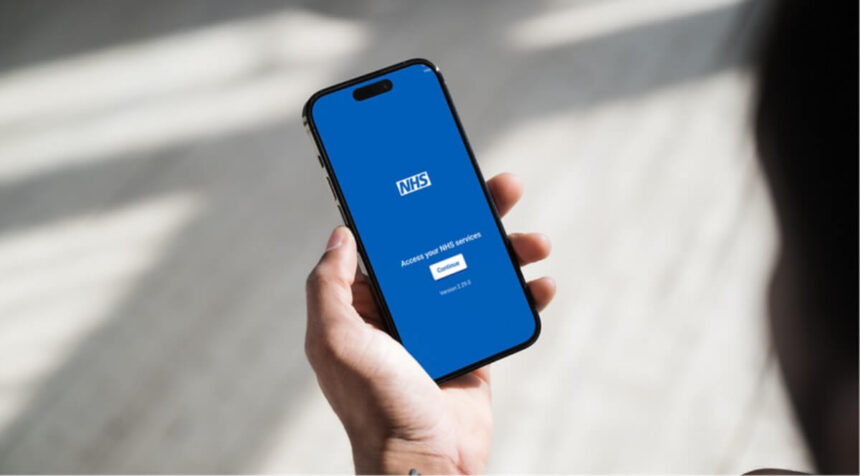
It was revealed that the NHS is informing patients they have cancer over the phone and through its app. Patients have discovered via phone calls, videos and the internet that they have chronic, life-limiting illnesses. Health campaigners have called for the NHS to make major diagnoses face to face, saying it was failing on its duty of care.
Another patient found out they had chronic kidney disease, while another learned from blood test results displayed on the NHS app, after the data was uploaded to the app, that they had early-onset Parkinson’s disease. Meanwhile, two mothers told they were told on the phone their children had been diagnosed with rare muscle-wasting diseases.
Health Secretary Wes Streeting has promised a new redesigned NHS app that works like a “doctor in your pocket” to digitise the health sector. But the drive to make everyone’s records available online is leading more and more patients to learn they have some diseases before they see a doctor.
This is frequently the result of diagnostic data, such brain scans or cancer tests, being posted to medical records concurrently with their delivery to the consultant, but prior to an appointment. Patients claim that while appointments made over the phone or by video give false hope that the condition is not serious, digital diagnoses eliminate the opportunity to ask questions.
In April 2023, Steve from London was informed via the app that he had early-onset Parkinson’s disease. He said that the NHS had “let him down on numerous occasions.”
He said:
“I found out my diagnosis on the test results page on the NHS app, which was absolutely outrageous and frustrating, but the NHS said they were inundated with Parkinson’s referrals and I just had to sit tight and wait”.
Four days after undergoing testing, Dawn, another Parkinson’s patient, discovered this information on the NHS app after reading a letter from the hospital to her general practitioner. She didn’t have a neurology visit scheduled for another year.
In June 2024, 69-year-old retired police officer Richard Carder discovered he had chronic kidney disease (CKD) after using the app to review the results of an annual health check. When he didn’t hear back from the doctor, he searched up the meaning of his elevated creatinine readings and discovered that it was probably chronic kidney disease (CKD), a chronic illness that causes irreversible damage to the kidneys.
Devon resident Mr. Carder called his general practitioner to schedule a three-week appointment to talk about it.However, he had no one to turn to for guidance over the weekend after receiving a text message the following Friday confirming the diagnosis.
He said thay:
“I did panic in some ways, which is why I went on to “Dr Google”. It was foolish but it was the only way I could get information. I was reading the worst-case scenario and couldn’t actually ring a professional for help until Monday.”
When Mr. Carder called his general practitioner, the receptionist assured him that CKD was a common condition, so he shouldn’t be concerned.
“I said, ‘It might be to you, but it’s not to me.’ She was quite blasé and there was a little lack of compassion. Why he sent a text, God only knows. Especially on the weekend when I couldn’t talk to anyone. I did ask him and he admitted it probably wasn’t the best thing to do”.
“For me, seeing someone face to face is so much more important. With eye contact, it’s so much easier to talk. I’ve used the phone before to speak to doctors.
But when I’m talking about this, I felt it was more important, especially since it is life-changing. If I had not checked my test results myself and questioned it, I wonder if I would ever have known that I was suffering from CKD.”
The NHS turning digital “does not remove the duty of the healthcare professional to talk to the individual and explain their diagnosis,” according to Fiona Loud, policy director of Kidney Care.
She said:
“Anyone with CKD should not find out through the app. The reaction to seeing information on an app can range from mild distress to full anxiety”.
Because radiography information intended for other doctors are accessible online, people are also discovering they have cancer through the NHS app. Numerous individuals have posted on forums about how they learned they had cancer through the NHS app, and some claimed to have used ChatGPT to comprehend the results prior to consultations.